
Stress less, live more!
Understanding your stress response:
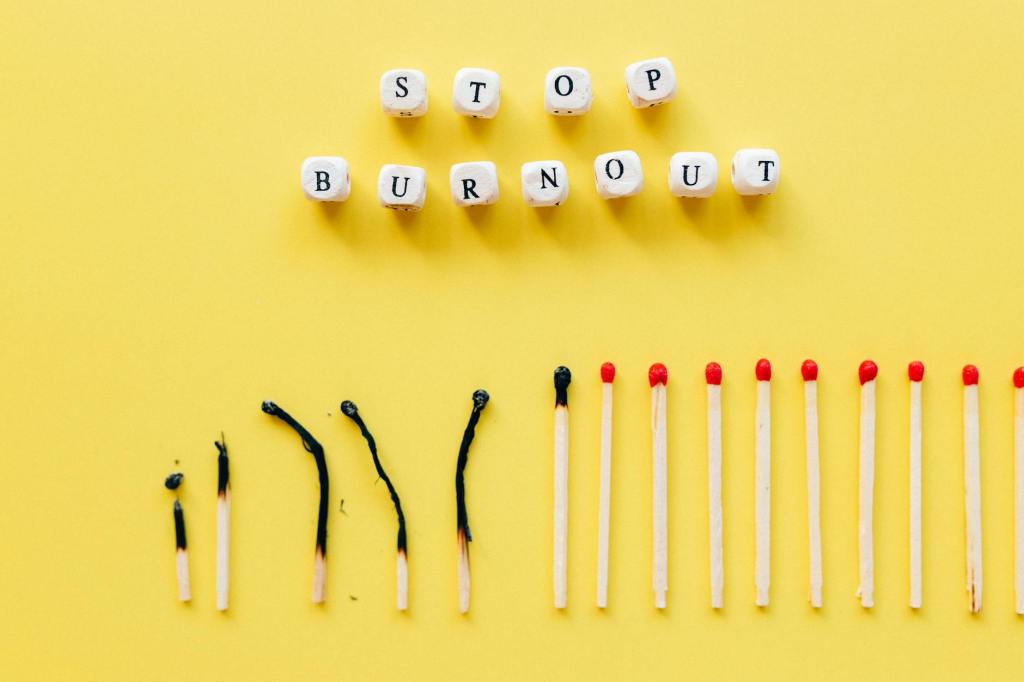
Stress is the body’s automatic reaction to a perceived threat which triggers the release of hormones such as adrenaline and cortisol to prepare for the “fight, flight, or freeze” response. During the fight response the heart rate blood pressure and muscle tension are increased to prepare for physical action because a threat is perceived. The flight response is an urge to escape to avoid the threat and the heart rate and blood flow to muscles are increased to allow for a quick getaway. The freeze response can leave you feeling immobile or disconnected which slows breathing and you have a sense of detachment. The hypothalamus in the brain sends signals to the adrenal glands which increases heart rate and blood pressure while suppressing non-essential functions such as digestion and immune responses. Once the threat passes, the stress response subsides and hormone levels return to normal. Short term stress can be helpful, providing motivation and energy to overcome challenges but long term stress can lead to burnout causing, physical, mental and emotional exhaustion. Chronic stress can lead to fatigue, burnout, depression, anxiety, and decreased stress tolerance.
Stress is the body’s automatic reaction to a perceived threat which triggers the release of hormones such as adrenaline and cortisol to prepare for the “fight, flight, or freeze” response. During the fight response the heart rate blood pressure and muscle tension are increased to prepare for physical action because a threat is perceived. The flight response is an urge to escape to avoid the threat and the heart rate and blood flow to muscles are increased to allow for a quick getaway. The freeze response can leave you feeling immobile or disconnected which slows breathing and you have a sense of detachment. The hypothalamus in the brain sends signals to the adrenal glands which increases heart rate and blood pressure while suppressing non-essential functions such as digestion and immune responses. Once the threat passes, the stress response subsides and hormone levels return to normal. Short term stress can be helpful, providing motivation and energy to overcome challenges but long term stress can lead to burnout causing, physical, mental and emotional exhaustion. Chronic stress can lead to fatigue, burnout, depression, anxiety, and decreased stress tolerance.
Signs of Stress:
- Irritability
- Anger
- Anxiety
- Poor concentration
- Headaches or dizziness
- Muscle tension or pain
- Digestive problems
- Increased heart rate or chest pain
- Trouble sleeping or sleeping more than usual
- Feeling overwhelmed
- Being forgetful
- Change in appetite
- Avoiding people or places
- Low self-esteem
- Drinking or smoking more
Daily habits to reduce stress:
- Good sleep: Getting quality sleep is one of the most powerful ways to support your body and mind during stressful times. When you sleep well, your nervous system gets a chance to reset, your body can repair itself, and your mind can process emotions more clearly. Creating a relaxing bedtime routine and aiming for consistent, healthy sleep habits. Just choosing a few of these tips can make your sleep more restful.
- Plan ahead: This doesn’t have to be about perfection- its about making life easier. Taking time to plan ahead can bring a sense of calm and control.
- Exercise: Regular physical activity releases endorphins and can significantly reduce stress.
- Limit substances: Avoid or cut back on alcohol, caffeine and smoking which can increase stress levels.
- Connect with others: Talk about the cause of stress with family, friends, health professional, or a support group.
- Hobbies: Make time for activities that bring pleasure and relaxation to your life or learn a new skill
- Take breaks: Step away from stressful situations or negative information sources like news and social media.
- Listen to music: Soothing or uplifting music can have a calming effect.
- Challenge yourself: Set yourself a goal which can help build confidence
- Help others: Even a small gesture can increase a feeling of well-being and build your resilience
- Work smarter: Prioritise your workload
- Be positive: There’s always something to be grateful for
- Accept the things you can’t change: Focus on the things you have control over
- Laugh more: A good giggle is a great stress reliever!
Nutrition and supplements for stress support:
- Focus on a balanced diet rich in leafy greens, fruits, and vegetables to provide anti-oxidant and anti inflammatory benefits.
- Fatty fish contains Omega-3 Fatty acids to support mood regulation and overall health.
- Vitamins such as B vitamins, magnesium, Vitamin D, omega-3s, and adaptogens like Ashwagandha, L-theanine and lemon balm help to regulate the body’s stress response system. Always consult with a health care professional to ensure any supplements are suitable for you.
Quick calming practices:
Engage in Mind-body techniques to calm the stress response
Breathing techniques such as Square breathing is used to reduce stress and anxiety, improve focus, and calm the nervous system by bringing your attention to the present moment. It can be practiced anywhere and at anytime by imaging a box as you breath:
- Inhale slowly and deeply through the nose and count to four
- Hold the breath for a count of four
- Exhale slowly and completely through the mouth for a count of four
- Hold the breath for a further count of four. Continue this cycle as needed to feel calmer.
Movement can help to release tension such as a gentle stretch or a short walk.
Seated relaxation, in a chair, relax your facial muscles, drop your shoulders, and allow your feet to feel rooted to the floor.
Massage A quick self-massage of your hands or neck can help relieve tension.
Muscle relaxation Systematically tensing and then releasing different muscle groups can relieve tension.
Quiet space, Take a few moments to retreat to a peaceful area to allow tension to dissipate
Creating boundaries to protect your peace will reduce stress.
If you are struggling to manage stress, don’t hesitate to reach out to a doctor or mental health professional, help is available and remember you are not alone.
‘Don’t worry about the things you can’t control. Focus on the things you can’
If you would like to receive monthly Thrive Guides and promotional offers please enter your email address below and press subscribe
 Lynne's Zen room
Leave a comment