
Sleep
Sleep and recharge!
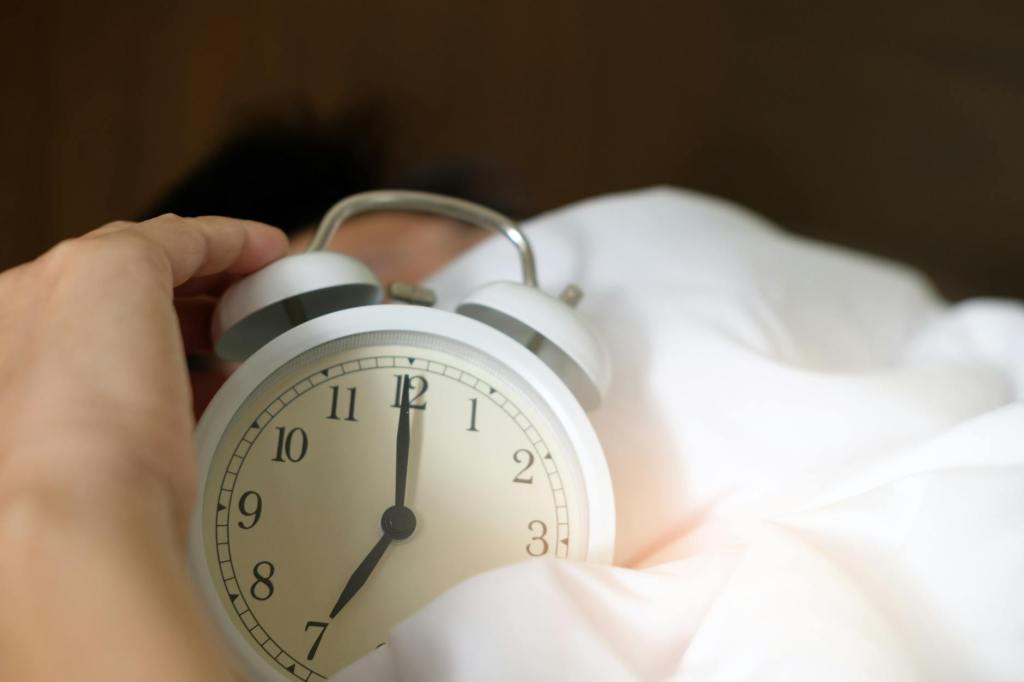
Sleep is an essential aspect of our lives, yet it is one of the first things that is compromised when things get busy or overwhelming. This can lead to us feeling low or stressed. The ups and downs of life and the transition from one season to another can play havoc with our sleep routine and cause us to feel more irritable and anxious. Sleep is as important as oxygen, water, and food, and when we are deprived, it can have a real impact on our lives. One reason for this may be that when we sleep, the brain has the chance to process the things we’ve experienced throughout the day, which helps us to make and remember memories. Another reason can be that it gives the brain time to flush away any ‘waste’ that has built up during the day, allowing us to wake up feeling refreshed and ready to start another day. Melatonin is the hormone that regulates our sleep-wake cycle (circadian rhythm). When it gets dark, the brain produces more of this hormone to signal it’s time to sleep. Production of melatonin is decreased when its light, which explains why longer days in the summer months can disrupt sleep patterns.
The sleep stages:
Light sleep- The stage going from awake to sleep, it lasts for a few minutes, your muscles relax, and you may twitch. You can easily awaken from this stage.
Deeper light sleep– This stage makes up about 50% of the total amount of sleep. The heart rate slows down, and body temperature drops. It is harder to awaken from this sleep stage than from light sleep.
Deep sleep-This is crucial for physical restoration, like muscle repair and immune function. The brain waves slow down significantly, and it’s the hardest stage to wake from.
REM (Dream sleep)– Usually occurs 90 minutes after falling asleep. The brain becomes highly active, and vivid dreaming occurs. This stage is important for memory, learning and emotional regulation.
The sleep cycle flow:
Light sleep- Deeper light sleep- Deep sleep- Deeper light sleep- REM sleep- Repeat
The early cycles have more deep sleep, and the later cycles have longer REM stages
Why sleep cycles matter:
Deep sleep- This is the restorative phase of the sleep cycle, during which the body repairs tissues, strengthens the immune system, and releases growth hormone. It supports memory, learning, and emotional stability, while the brain clears toxins that contribute to long-term cognitive health. Deep sleep regulates metabolism, making it essential for physical recovery, mental performance, and overall wellbeing.
Light sleep– Makes up a large portion of the sleep cycle and is essential for maintaining overall sleep quality and preparing the body for deeper stages of rest. The brain begins processing information, supporting learning, memory and mental clarity. It also helps regulate the nervous system by lowering heart rate and body temperature, promoting relaxation and stress reduction. It contributes to a better mood, improved alertness, and cognitive function.
REM- The brain processes emotions, consolidates complex memories, and strengthens neural connections involved in creativity and problem-solving. It supports emotional regulation, the mind is highly active, making REM essential for mental clarity, mood stability, and overall cognitive health
Causes of sleep problems:
- Having a busy work life or working shift patterns
- Responsibility for children or relatives
- Too much screen time
- Feeling stressed or anxious
- Noisy neighbours
- Too much caffeine, nicotine or alcohol
- Life events such as a new job, a new baby or bereavement
- Hormone imbalances
How to reset your sleep rhythm:
- Take regular exercise, but avoid vigorous exercise close to bedtime
- Avoid long naps late in the day
- Establish a consistent sleep pattern by going to bed and waking at the same time every day
- Avoid screens and bright light before bed, as this can disrupt melatonin production, which delays sleep
- Dim the lighting before you intend to go to bed
- Limit caffeine, alcohol and heavy meals before bed
- Make sure your bedroom is cool, dark and quiet
- Invest in a good quality mattress
- Avoid heavy covers that will increase your body temperature. Your core temperature naturally drops as you fall asleep.
- If you don’t fall asleep after 15 minutes, get out of bed and do a calming activity such as reading in another room until you feel tired. This helps your brain to associate your bed with sleep and not frustration
HELP, I can’t sleep!
Some hacks to encourage sleep:
- Deep breathing exercises can help prepare for sleep by calming the nervous system. Try 4-7-8 breathing, which helps calm the stress response and reduce anxiety.
- Start by taking some gentle breaths and allow the eyes to relax, then exhale completely through the mouth with a ‘whooshing sound’
- Inhale through the nose to a count of four
- Hold your breath for a count of seven
- Exhale slowly through your mouth, making the whooshing sound, for a count of eight
- Repeat this cycle three more times
- Reducing your temperature:
- Take a cool shower before bed
- Place your pillow case in the fridge or freezer for a quick chill
- Ice packs can be applied to pulse points on the neck or wrists
- Drink cold water throughout the day and keep a glass by your bed to stay hydrated
- Crystals: can be placed under your pillow or on a bedside table. Experiment with different crystals to find the one that best supports your sleep needs. Here are a few suggestions:
- Amethyst: Calming and relaxing
- Selenite: Relieves stress
- Howlite: Calms the mind
- Rose quartz: Soothes stress and anxiety
- Black tourmaline: Promotes a sense of safety
- Moonstone: Calming and restorative
- Sodalite: Eases tension
- Clear quartz: Amplifies the energies of other crystals, enhancing their sleep-supporting properties
- Scents: Add a few drops to a diffuser, or they can also be used as a pillow mist, added to a warm bath before bed or applied to skin with a topical roller in a carrier oil. The scents interact with the brain’s olfactory and limbic systems, triggering a sense of calm and relaxation, which can improve sleep quality. Consult a healthcare professional if you have allergies, are pregnant, or have any respiratory conditions. The following are great for relaxation:
- Lavender: Reduces stress and improves sleep quality
- Chamomile: Lowers anxiety and promotes sleep
- Ylang-ylang: Promotes a sense of calm
- Rose: Gives a sense of overall well-being
There are many platforms for listening to relaxing sounds to help with sleep, such as Apps, streaming services, podcasts, websites and radio stations.
Here are some of the techniques offered to help you drift into a peaceful sleep:
- Guided meditations: Yoga nidra focuses on deep physical and mental relaxation
- Music: Listening to gentle, relaxing nature sounds, such as waves, rain, or leaves, can promote relaxation
- Frequencies between 0.5-4 Hz are in the delta range, and binaural beats in the theta range, 4-8 Hz, are considered beneficial for promoting relaxation and sleep. Additionally, frequencies such as 432Hz and 528Hz can reduce stress and improve sleep quality.
- White noise, pink noise, or brown noise can filter out distracting noises, leading to a better night’s sleep
- Autonomous sensory meridian response: (ASMR) A tingling, relaxing sensation that starts on the scalp and moves down the neck and spine, triggered by visual or auditory stimuli such as whispering or gentle tapping. This is great for calming anxiety and creating relaxation. ASMR is available on many of the platforms mentioned above
- Sleep stories: Listening to a sleep story can shift attention from daily stressors to imagination. This provides a positive bedtime routine and improves overall sleep quality.
Try any (or all) of these techniques, and hopefully you will get the rest that you need!
If symptoms persist and you are finding it difficult to cope, seek advice from a medical professional
An anxious mind makes a restless pillow!
If you would like to receive free monthly Thrive Guides, please enter your email address below and press subscribe
 Lynne's Zen room