
The Mind–Body Connection
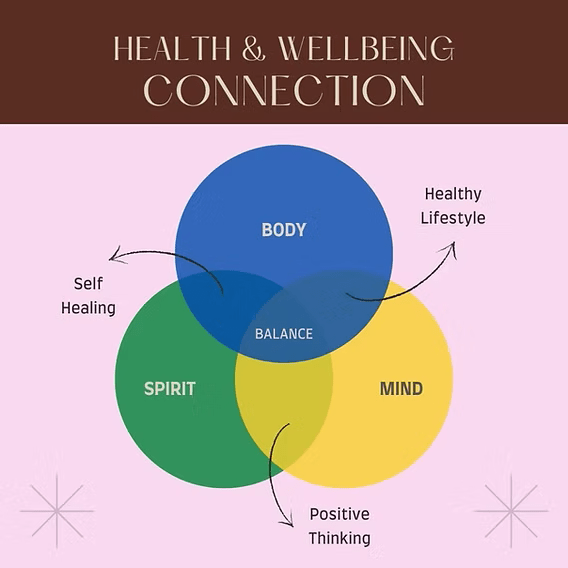
At the core of sustainable wellbeing is understanding that your mind and body are constantly shaping each other.
Every thought you think, every emotion you feel, and every signal your body sends is part of a living feedback loop. Thriving happens when you learn how to work with that loop instead of against it.
Understanding the Mind–Body Connection
The mind–body connection refers to the ongoing communication between your mental, emotional, and physical systems. This communication happens through:
- The nervous system, which controls stress and relaxation
- The endocrine system, which releases hormones based on mood, energy, and focus
- The immune system, which responds to both physical and emotional stressors
This means your body is not just reacting to the outside world; it is constantly responding to your inner experience. Your body remembers what your mind tries to forget.
The nervous system
Your mind (thoughts, emotions, and perceptions) lives largely in the brain, but your body (muscles, organs, and immune system) does the living. The nervous system connects them by constantly sending signals both ways.
It does three main things:
- Turning thoughts and emotions into physical responses
When you think or feel something, your nervous system reacts immediately. A stressful or calm thought or feelings of fear or safety cause the nervous system to respond
Emotions are not “just in your head.” They show up in your body.
2. Carrying body signals back to the mind
The connection goes the other way, too. Your body is always reporting back. When you feel pain, hunger, fatigue, gut issues, and tension, your brain uses this information to shape mood, focus, and decision-making. For example, chronic pain can lead to anxiety or depression, poor sleep affects memory and emotional control, and gut issues influence mood.
This is the heart of the mind–body connection.
3. Balancing stress and recovery (autonomic nervous system)
The Sympathetic Nervous System, often called the “fight or flight” system, activates during times of stress or danger. It raises heart rate and blood pressure while temporarily shutting down functions such as digestion and parts of the immune response so the body can focus on immediate survival. In contrast, the Parasympathetic Nervous System, known as the “rest and digest” system, becomes active during periods of calm and safety. It slows the heart rate and supports healing, digestion, and overall recovery. Your thoughts, emotions, breathing patterns, posture, and even facial expressions can influence which of these two systems is dominant at any given time.
That’s why practices like:
- deep breathing
- meditation
- yoga
- progressive muscle relaxation
actually change physical health, not just mental state.
This is important because the nervous system links mind and body:
- Chronic stress can contribute to illness
- Emotional trauma can live in the body
- Physical practices can improve mental health
- Mental habits can improve physical resilience
You don’t have a mind and a body. You have one integrated system, and the nervous system keeps this system balanced.
The endocrine system
The endocrine system carries the mind–body connection; it is slower than the nervous system, but deeper and longer-lasting.
Think of it as the chemical messaging system that changes mental states in the body, adapting to let the body shape mood, energy, and behaviour.
The endocrine system is a network of glands that release hormones into the bloodstream. Hormones are sent throughout the body, influencing mood, stress response, growth and repair, metabolism, sleep, reproduction, motivation, and relationships.
Nerves act instantly, but hormones work over minutes, hours, or even years.
Your brain, especially the hypothalamus, links thoughts and emotions and releases hormones. If you have a stressful thought or emotion, the hypothalamus signals the pituitary, which then activates the adrenal glands, and cortisol and adrenaline are released. This results in increased blood sugar, suppressed immune function, and heightened alertness, causing mood and sleep patterns to be affected.
This is how mental stress is produced in the body.
Hormones change how the mind works.
- Cortisol: affects anxiety, memory, and focus
- Thyroid hormones: influence energy, motivation, and mental clarity
- Oestrogen and testosterone: affect mood, confidence, libido, and cognition
- Melatonin: regulates sleep and wake cycles
- Oxytocin: supports bonding, trust, and emotional safety
When hormones are out of balance, mental health often shifts with them.
Because hormones last longer, they create patterns, not just reactions.
- Chronic stress → prolonged cortisol → fatigue, depression, inflammation
- Poor sleep → disrupted melatonin → low mood and brain fog
- Breathwork → Parasympathetic activation → Lower heart rate and blood pressure → Reduced cortisol → Improved digestion and calm
- Healthy relationships → oxytocin release → greater resilience
- Gratitude and self-compassion → lower cortisol → improved heart rate variability → stronger stress resilience
This is why lifestyle habits slowly reshape both physical and mental health.
The endocrine and nervous systems work together constantly.
- The nervous system works fast, precisely, and in the short term
- The endocrine system works slowly, widely, and long-term
Together, they regulate stress and recovery, emotional stability, growth and healing, and resilience
Breathing, movement, nutrition, light exposure, and emotional experiences all influence both systems at once.
Because of the endocrine system:
- Emotions can affect immunity and metabolism
- Long-term stress can alter brain chemistry
- Physical states can shape thoughts and identity
- Healing requires both mental and bodily care
Your hormones help turn experiences into biology.
The immune system
The immune system links mind and body through inflammation and protection.
It’s not just about fighting germs; the immune system constantly talks with your brain and nervous system, shaping how you feel, think, and heal.
The immune system is a network of cells, tissues, and signaling molecules (cytokines) that defend the body. But those same signals also reach the brain. Activity in the immune system doesn’t just stay in the body; it changes brain chemistry, mood, energy, and behaviour.
How thoughts and emotions affect immunity
Mental and emotional states directly influence immune function, mainly through stress pathways.
- Chronic stress leads to increased cortisol
- High cortisol over time results in suppression of the immune response
- The result is a higher infection risk, slower healing, and more inflammation
But when we are relaxed and have positive social connections, we have stronger immune responses. When we have good sleep, we have improved immune memory and repair. Psychological stress makes us more vulnerable. The immune system affects mood and thinking.
When your immune system is activated, it sends signals to the brain that change behaviour.
- Inflammation leads to fatigue, low motivation, and brain fog
- Infection causes sadness, social withdrawal, and fatigue
Cytokines can:
- reduce serotonin and dopamine signaling
- increase anxiety and depressive symptoms
- impair concentration and memory
Chronic inflammation is linked to depression and cognitive issues.
Short-term inflammation helps fight infection and supports healing; however, chronic inflammation damages tissues, alters brain function, and increases the risk of mental health disorders and ages tissues
Stress, trauma, poor diet, and lack of sleep can all keep the immune system in a low-activated state, which quietly affects both mind and body.
The immune system never works alone. The nervous system sends stress signals, and immune cells respond. Hormones (like cortisol) regulate immune activity. Immune cytokines signal back to the brain
This creates feedback loops:
stress ↔ inflammation
mood ↔ immune balance
healing ↔ emotional safety
Our perception of safety or threat literally shapes immune behaviour.
Emotions can influence inflammation
- Inflammation can influence mood and cognition
- Mental health and physical health are inseparable
- Healing often requires dealing with stress, sleep, and emotional load
The immune system helps decide how safe your body feels, and your mind listens.
Why Disconnection Is So Common Today?
Modern life rewards productivity, speed, and intellectual problem-solving, but rarely presence. We are constantly trying to override physical cues, push through exhaustion, and rationalise emotional discomfort.
Over time, this creates patterns such as:
- Ignoring hunger, rest, or emotional needs
- Living “in the head” while feeling detached from the body
- Treating symptoms instead of listening to what they’re communicating
Disconnection is a learned survival strategy. To thrive, we need to unlearn this way of living.
Emotional Energy Lives in the Body
Emotions are physical experiences. Unprocessed emotions often show up as:
- Tight shoulders or jaw tension
- Digestive discomfort
- Shallow breathing
- Chronic aches or heaviness
When emotions are consistently ignored or suppressed, the body tries to communicate, but we are increasingly ignoring the signs.
Listening changes everything.
What Thriving Feels Like in the Body
When the mind–body connection is supported, people often describe:
- Feeling more grounded and present
- Greater emotional balance
- Improved sleep and energy rhythms
- A stronger sense of intuition and self-trust
Thriving doesn’t mean you never feel stress; it means stress no longer runs the system.
Practices That Strengthen the Mind–Body Connectio1.
- Nervous-System-Aware Breathing, slow exhales tell your body it’s safe. Try inhaling for 4 counts and exhaling for 6.
- Somatic Awareness, Instead of asking “Why do I feel this way?” try “Where do I feel this in my body?”
- Intentional Movement: movement becomes medicine when it’s done with awareness.
- Mindful Language: Notice how you speak to yourself. The body listens to every word.
- Rest as Regulation, true rest repairs the nervous system. It’s not laziness—it’s biology.
Strengthening the mind–body connection doesn’t mean constant calm. Some days you’ll feel open and aligned, and other days you won’t.
Thriving Is a Relationship You Build
The mind–body connection is like any relationship; it grows through attention, respect, and consistency.
When you learn to listen to your body and guide your mind with compassion, resilience becomes natural, not forced.
If you would like to receive monthly Thrive Guides, please enter your email address below and press subscribe
 Lynne's Zen room