
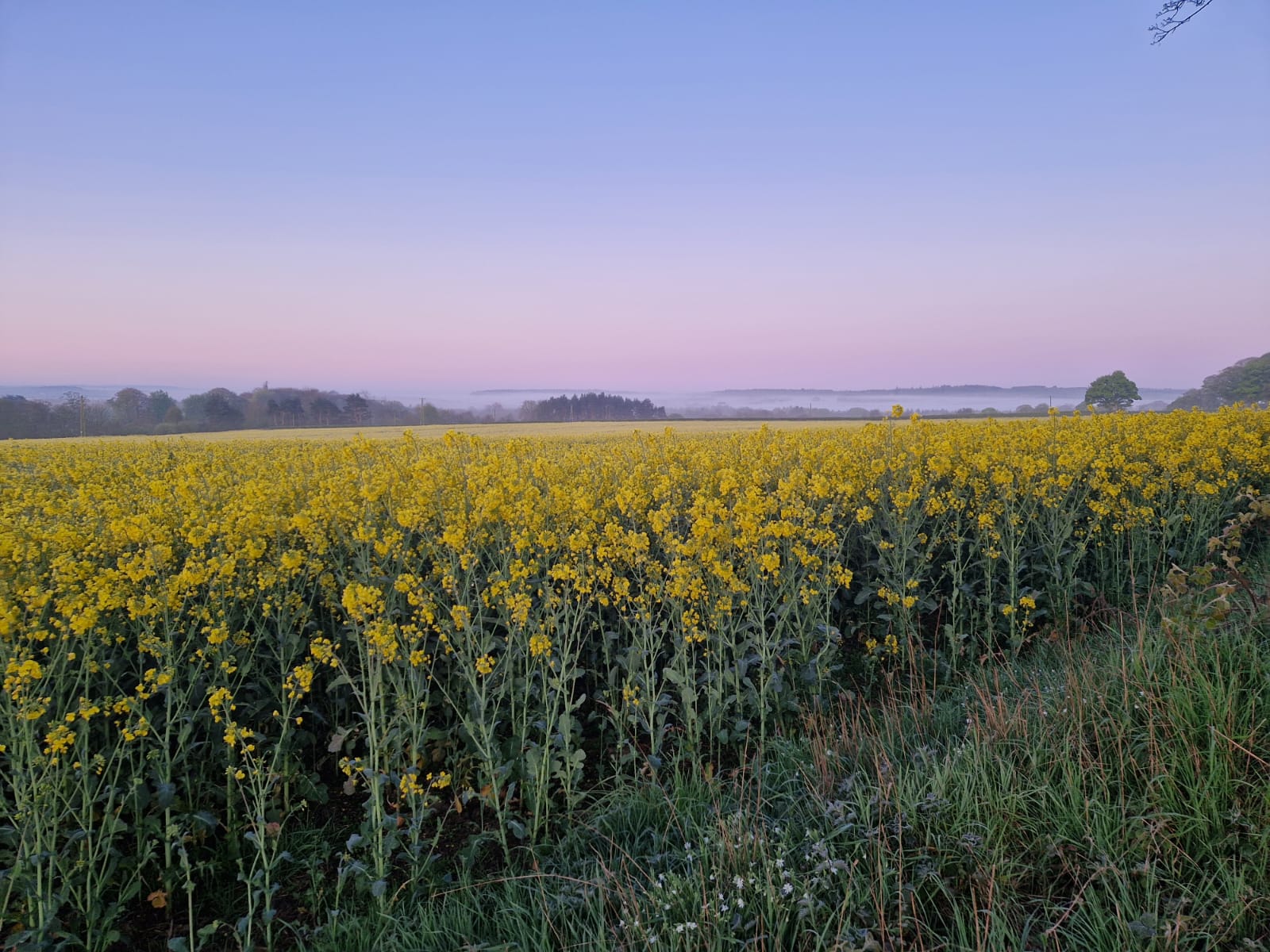
June- The Power of Nature
In an increasingly fast-paced, technology-driven world, the simple act of stepping outside can feel surprisingly rare. Yet spending time in nature remains one of the most accessible and powerful ways to improve both physical and mental wellbeing. From reducing stress to enhancing creativity, nature offers benefits that modern lifestyles often overlook.
This guide explores why being in nature matters, the science behind its effects, and practical ways to incorporate more outdoor time into your daily life.
Why nature matters more than ever
Modern living has distanced many people from the natural world. Urban environments, digital screens, and busy schedules mean that time outdoors is often treated as a luxury rather than a necessity. However, humans evolved in natural environments, and our bodies and minds still respond deeply to them.
Nature isn’t just a backdrop, it actively influences how we feel, think, and function. Even small doses can create noticeable improvements in mood and health.
The mental health benefits of nature
1. Reduces stress and anxiety
One of the most immediate benefits of being in nature is stress reduction. Natural environments help lower cortisol levels, which is the hormone associated with stress.
The sounds of birds, rustling leaves, or flowing water create a calming effect that signals the brain to relax. Unlike urban noise, which can be overstimulating, natural sounds are gentle and rhythmic.
2. Improves mood
Spending time outdoors has been linked to increased feelings of happiness and reduced symptoms of depression. Exposure to natural light boosts serotonin levels, which helps regulate mood.
Even a short walk in a park can shift your emotional state, making you feel more balanced and positive.
3. Enhances focus and attention
Nature provides a mental reset. When you’re surrounded by greenery, your brain engages in what psychologists call “soft fascination,” which is a state that allows your mind to rest and recover.
This can improve concentration, especially after long periods of screen use or intense mental work.
4. Encourages mindfulness
Being in nature naturally draws your attention to the present moment. Whether it’s noticing the texture of leaves or the rhythm of your footsteps, these experiences help ground you.
This kind of awareness is a key element of mindfulness, which is known to reduce anxiety and improve overall wellbeing.
The physical health benefits of nature
1. Boosts immune function
Time outdoors can strengthen your immune system. Exposure to fresh air, sunlight, and natural environments helps your body function more efficiently.
Certain natural settings, like forests, release compounds that may support immune health and reduce inflammation.
2. Increases physical activity
Nature encourages movement. Whether it’s walking, hiking, cycling, or simply exploring, outdoor environments make physical activity feel less like a chore and more like an enjoyable experience.
Regular movement improves cardiovascular health, strengthens muscles, and supports overall fitness.
3. Improves sleep quality
Spending time outside helps regulate your internal body clock, also known as the circadian rhythm. Exposure to natural light during the day can make it easier to fall asleep at night.
People who spend more time outdoors often report deeper and more restful sleep.
4. Supports heart health
Lower stress levels, increased activity, and cleaner air all contribute to better heart health. Time in nature has been linked to lower blood pressure and reduced risk of heart disease.
Cognitive and creative benefits
1. Boosts creativity
Nature stimulates creative thinking by giving your brain space to wander. Without constant digital distractions, your mind can explore new ideas and connections.
Many people find that their best ideas come during walks or time spent outdoors.
2. Improves problem-solving skills
Being in natural environments can enhance your ability to think clearly and solve problems. This is partly due to reduced mental fatigue and improved focus.
3. Enhances memory
Studies suggest that time in nature can improve memory and cognitive function. The combination of physical activity and mental relaxation creates ideal conditions for learning and retention.
Social and emotional benefits
1. Strengthens relationships
Sharing outdoor experiences with friends or family can deepen connections. Whether it’s a walk, picnic, or hike, nature provides a relaxed setting for meaningful interaction.
2. Encourages gratitude
Spending time in nature often fosters a sense of appreciation for the world around you. This can lead to increased gratitude, which is closely linked to overall happiness.
3. Reduces feelings of isolation
Nature can provide a sense of connection, not just with other people, but with the wider world. This can be especially helpful during times of loneliness or stress.
Why nature is good for children
Children benefit enormously from time outdoors. It supports their physical development, encourages creativity, and improves attention.
Outdoor play helps children develop motor skills, build confidence, and explore their environment in ways that indoor settings cannot replicate.
Additionally, children who spend more time in nature often develop a stronger sense of environmental responsibility.
Common barriers to spending time in nature
Despite its benefits, many people struggle to incorporate nature into their routines. Common challenges include:
- Lack of time
- Urban living with limited green spaces
- Weather conditions
- Physical limitations or health concerns
- Over-reliance on technology
While these barriers are real, they can often be overcome with small, intentional changes, or alternative approaches.
Ideas for people who can’t get outside
Not everyone has easy access to outdoor spaces, and some people may be limited by mobility, health conditions, work environments, or location. Fortunately, many of nature’s benefits can still be experienced indoors or in indirect ways.
1. Bring nature indoors
Houseplants are one of the simplest ways to introduce nature into your space. They can improve air quality, reduce stress, and create a calming atmosphere.
Even low-maintenance plants like succulents or snake plants can make a difference.
2. Use natural light
Maximise exposure to daylight by sitting near windows or keeping curtains open during the day. Natural light helps regulate mood and sleep patterns.
If natural light is limited, consider using daylight-style bulbs to mimic its effects.
3. Nature sounds and music
Listening to recordings of rain, forests, or ocean waves can have a calming effect similar to being outdoors.
These sounds can be especially helpful for relaxation, focus, or sleep.
4. Watch nature content
Documentaries, live nature cams, or even short videos of landscapes and wildlife can provide a sense of connection to the natural world.
While it’s not a full substitute, it can still reduce stress and improve mood.
5. Indoor gardening
Growing herbs, flowers, or small vegetables indoors can create a hands-on connection with nature. It also provides a sense of accomplishment and routine.
Even a small windowsill garden can be rewarding.
6. Use natural materials
Incorporate wood, stone, or natural fabrics into your environment. These textures can subtly replicate the feel of outdoor spaces.
7. Visual connection to nature
Position your workspace or seating area to face a window with trees, sky, or greenery if possible. Even passive exposure to nature can have mental benefits.
8. Practice mindfulness with nature imagery
Guided visualisation, imagining yourself in a forest, by the sea, or in a peaceful landscape, can help reduce stress and promote relaxation.
9. Fresh air where possible
If you can’t go outside, opening windows, even briefly, can help circulate fresh air and create a more natural indoor environment.
10. Create a “Nature corner”
Design a dedicated space in your home with plants, natural light, calming sounds, and minimal technology. This can serve as a retreat for relaxation and a mental reset.
Practical tips for spending more time in nature
1. Start small
You don’t need to plan a full-day hike to experience the benefits of nature. Even 10–15 minutes outdoors can make a difference.
Try stepping outside during lunch breaks or taking a short walk in the evening.
2. Make it part of your routine
Incorporate nature into your daily habits. For example:
- Walk instead of driving when possible
- Exercise outdoors
- Take phone calls while walking
Consistency matters more than duration.
3. Explore local green spaces
Look for nearby parks, trails, or natural areas. You don’t have to travel far to find nature, many communities have accessible green spaces.
4. Disconnect from technology
Limit screen time when you’re outdoors. This allows you to fully engage with your surroundings and experience the mental benefits of nature.
5. Try different activities
Nature offers a wide range of experiences. Consider:
- Walking or hiking
- Cycling
- Birdwatching
- Gardening
- Photography
Experiment to find what you enjoy most.
6. Go with others
Spending time outdoors with friends or family can make the experience more enjoyable and help you stay consistent.
7. Embrace all weather
Don’t wait for perfect conditions. With the right clothing, you can enjoy nature in most weather.
Rain, wind, and even cold temperatures can add variety and richness to your outdoor experiences.
8. Create a nature-friendly space at home
If access to outdoor areas is limited, bring nature to you. Add plants, open windows for fresh air, or spend time in a garden or balcony.
The role of nature in modern life
As technology continues to shape how we live and work, the need for balance becomes increasingly important. Nature provides a counterbalance to digital overload, offering a space to recharge and reconnect.
It’s not about rejecting modern life but enhancing it. By integrating nature into your routine, you can improve your wellbeing without making drastic changes.
Building a long-term connection with nature
Developing a relationship with nature takes time. It’s not just about occasional visits but creating an ongoing connection.
Be curious
Take time to observe your surroundings. Notice changes in seasons, wildlife, and natural patterns.
Set intentions
Decide how you want to incorporate nature into your life and set realistic goals.
Reflect on your experiences
After spending time outdoors, or engaging with nature in other ways, consider how you feel. Recognising the benefits can motivate you to continue.
Nature is one of the most powerful tools for improving health and wellbeing, yet it’s often overlooked in daily life. Its benefits extend across mental, physical, and emotional domains, making it a simple but effective way to enhance overall quality of life.
Whether you’re walking through a forest, sitting in a park, or simply caring for a plant at home, every interaction with nature counts.
You don’t need to make major changes to start experiencing these benefits. Small, consistent steps, like a daily walk or a few minutes of natural light, can have a significant impact over time.
In a world that often feels busy and overwhelming, nature offers something increasingly valuable: space, calm, and clarity.
Making time for it isn’t just beneficial—it’s essential for your wellbeing
If you would like to receive free monthly Thrive Guides, please enter your email address below and subscribe